
Raw meat alone isn’t nutritionally complete for cats—it needs supplementation to provide all the nutrients they’d get from eating whole prey in the wild. Getting the right supplements was crucial for Zakk’s health, especially managing his FeLV.
I used to mix individual supplements by hand, measuring each one carefully and grinding chicken organs. It was time-consuming and nerve-wracking—I’d triple-check my calculations to make sure I had the right amounts for each batch. Now I use a premix that includes everything, which saves hours of work and eliminates the guesswork.
What Zakk Gets
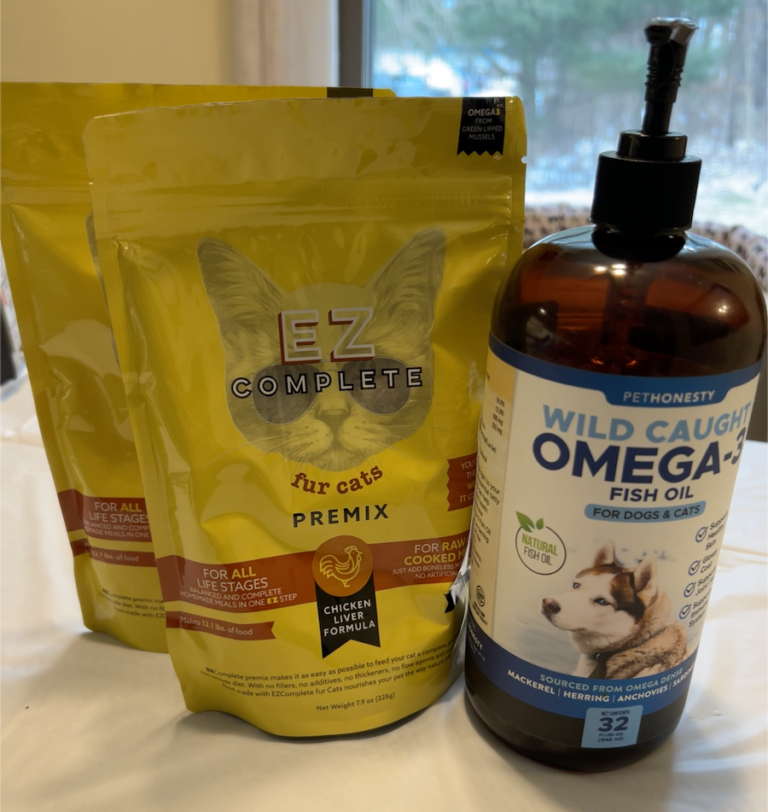
I use two supplements for Zakk’s raw food:
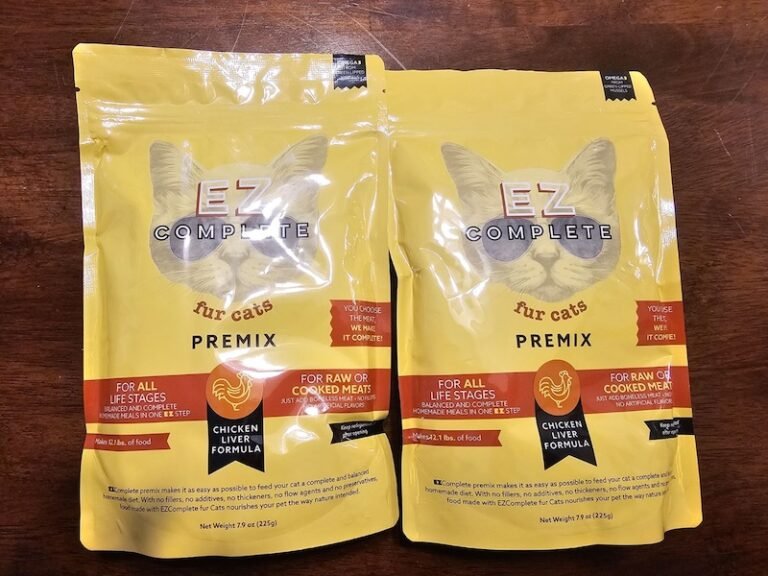
- EZ Complete fur Cats (premix) – Contains all vitamins, minerals, and organ content needed
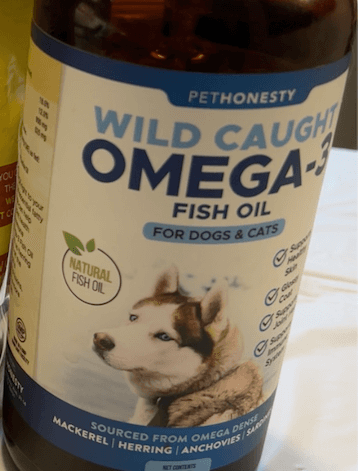
- Omega-3 Fish Oil – Added to each meal for essential fatty acids
That’s it. The premix has everything else already mixed in, so all I need to buy is chicken.
Why Chicken Legs and Thighs
I use chicken legs and thighs because they’re fattier cuts. Since this diet has zero carbohydrates (which cats don’t need anyway), Zakk needs the fat for energy—just like he’d get in nature.
How I Use the Premix
Instead of measuring out portions and storing leftover supplement, I use entire bags and make bulk batches. This is simpler and means I don’t have opened supplements sitting around.
Here’s how much meat each bag size makes:
| Premix Size | Meat Needed | Total Food Made |
|---|---|---|
| Trial Size | 2 lbs | ~3 lbs |
| 225g packet | 8 lbs, 7 oz | 12.1 lbs |
| 450g packet | 16 lbs, 14 oz | 24.2 lbs |
I typically use slightly more meat with skin and bones than the package suggests—about 12 lbs of chicken per 225g packet.
How Long It Lasts
I make large batches using two 225g packets. Feeding Zakk twice a day, one batch lasts about 3 months. If you’re feeding multiple cats, adjust accordingly.
Important: If you don’t use the whole bag, refrigerate or freeze the leftover premix to maintain freshness.
The Cost Reality
The supplements might seem expensive upfront, but consider this: two 225g packets give me 3+ months of food for one cat. That’s one purchase every few months versus buying food weekly or monthly.
Compared to quality store-bought food, I’m spending less overall—and I know exactly what’s in Zakk’s diet.
Occasionally I’ll rotate in Tiki Cat wet food for variety or when I’m running low on homemade, but it’s not necessary as long as I keep the freezer stocked.
Where I Buy
EZ Complete fur Cats: I buy it on Amazon right before making a batch—no point having it sit around. I get two small bags (225g each) instead of one large bag because they’re easier to mix into the ground meat.
Omega-3 Fish Oil: Also from Amazon. I get the 32 oz bottle with a pump, which makes it easy to add a little to each meal without any mess.
Bottom Line
Switching to a premix eliminated the most tedious part of making raw cat food. No more measuring individual supplements, grinding organs, or worrying about calculations. It’s one of the changes that made preparing Zakk’s food sustainable long-term.
The upfront cost is higher than buying a week’s worth of canned food, but spread over 3 months, it’s actually more economical—and I have complete control over what he’s eating.