I’ve been making raw cat food for Zakk for years, and finding the right meat grinder made a huge difference. I started with an overpriced grinder that didn’t hold up, then switched to a different brand that worked much better but is no longer available.
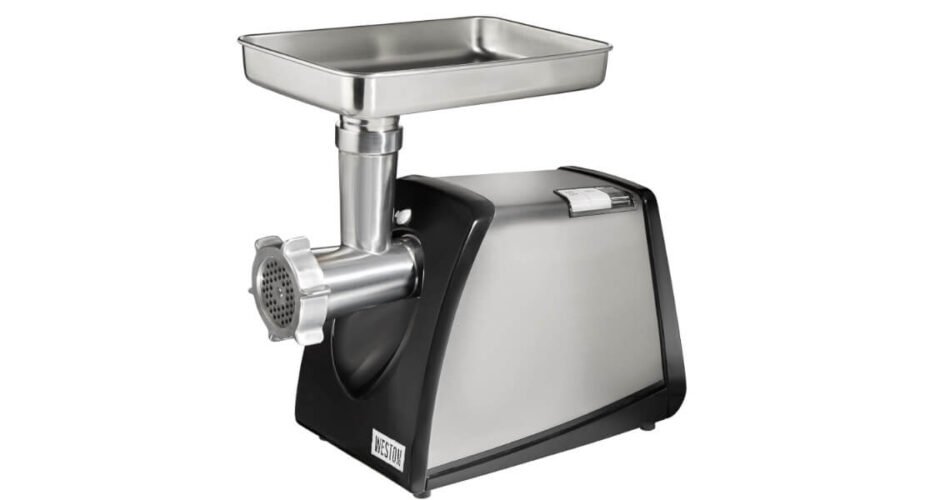
If I were in the market for a new grinder today, I’d seriously consider a Weston—they’re built similarly to what I use now and have a solid reputation for holding up better than more expensive brands.
What to Look for in a Weston Grinder
A good electric meat grinder for raw cat food should have a powerful motor that can process 2-3 pounds of meat per minute. Look for stainless steel construction—it holds up better to regular use than plastic components. Most quality grinders come with multiple grinding plates (for different textures), cutting blades, and sometimes sausage stuffing attachments if you want that option.
Features like a simple on/off button and a reverse function to clear jams are essential—this comes in handy when you’re grinding tougher cuts.
Why I’d Consider Weston
Based on my experience grinding large batches of raw food for Zakk, here’s what matters in a grinder:
- Powerful motors process meat quickly without bogging down
- Stainless steel construction holds up to frequent use
- Quieter operation compared to other grinders I’ve used
- Easy to assemble and clean—important when you’re doing this regularly
- Versatile grinding plates to control texture
- Good value—Weston offers solid performance without the premium price tag
- Organized storage for accessories
Weston grinders check these boxes at a reasonable price point, which is why they’re on my radar if I ever need to replace my current setup.
Things to Consider
Nothing’s perfect, and there are a few things to be aware of with meat grinders in general:
- Blade durability—blades can wear down with heavy use over time
- Connection points—hoppers and attachments sometimes need adjusting for a secure fit
- Very dense ingredients—dried fruits or extremely tough materials can slow things down
- Home use only—these are home grinders, not commercial-grade equipment
Does It Actually Work for Raw Cat Food?
For making raw cat food in batches, a quality grinder makes all the difference. Mine handles chicken and bones without issue. I’ve been using it regularly for years, and it’s held up better than the pricier grinder I started with.
The ability to grind 2-3 pounds per minute means I can prep a week’s worth of food much faster. The different grinding plates are helpful when I want a finer or coarser texture for Zakk’s meals.
What About Grinding Bones?
Yes, quality meat grinders can handle bones. I use mine to grind some of the chicken bones which is an ingredient in homemade raw cat food.
Bottom Line
A solid meat grinder is essential if you’re making raw cat food at home and need something reliable. Based on my experience, Weston offers good value—similar build quality to what I use now, but at a more reasonable price than some premium brands.
If you’re processing large quantities regularly and want something that’ll last without breaking the bank, Weston is worth considering. Just make sure you’re getting one with enough power for your needs—look for motors around 650 watts or higher.
You can also check out some of these top meat grinders to find one that fits your needs.
Frequently Asked Questions
Are these suitable for commercial use?
No, they’re designed for home use and won’t hold up to heavy commercial demands.
Do they have storage for accessories?
Most models include storage solutions for the plates and attachments—check specific product details.
Can you grind vegetables or fruits?
Yes, though very dense or dried ingredients might slow things down. They work fine for most vegetables.