You know what’s tricky about cats? They’re masters at hiding when something’s wrong. It’s an evolutionary thing—in the wild, showing weakness makes you prey. But when it comes to dehydration in cats, especially those with feline leukemia virus, catching the signs early can make a real difference.
I’m going to walk you through what to look for, and I’ll be honest about which signs are serious “call the vet now” territory versus which ones give you a little time to work on the problem. Because not every sign of mild dehydration is an emergency, but some definitely are.
The Skin Tent Test: Your First At-Home Check
This is the most common way to check for dehydration in cats, and your vet has probably shown you this already. Gently pinch the skin at the back of your cat’s neck (the scruff area) and pull it up slightly, then let go.
What you’re looking for: The skin should snap back into place immediately. If it stays “tented” or takes more than a second or two to settle back down, that’s a sign your cat is dehydrated.
The catch: This test isn’t foolproof. Older cats naturally have less elastic skin, so the tent might stay up a bit longer even if they’re properly hydrated. Overweight cats might show different results too. It’s a useful tool, but it’s not the only thing you should rely on.
I check my FeLV cat this way about once a week, just to have a baseline. That way I know what’s normal for her and can spot changes more easily.
Dry or Sticky Gums
Here’s one that’s actually more reliable than the skin test. Lift your cat’s lip and check their gums. They should be slick and moist, like your own gums.
Signs of dehydration: Gums that feel dry, sticky, or tacky to the touch. The color matters too—healthy cat gums are usually pink. Pale, white, or grayish gums can indicate dehydration or other serious issues.
How to check: Gently press your finger against the gum. When you remove it, the spot should return to pink within 1-2 seconds. This is called capillary refill time. If it takes longer, your cat might be dehydrated or have circulation issues.
I’ll level with you: not all cats are thrilled about you checking their gums. If your cat tolerates it, great. If not, don’t stress them out—use other signs to assess hydration status.
Changes in Litter Box Habits
This one’s huge, and it’s something you’ll notice just going about your normal routine. Dehydrated cats produce less urine, and what they do produce is often more concentrated.
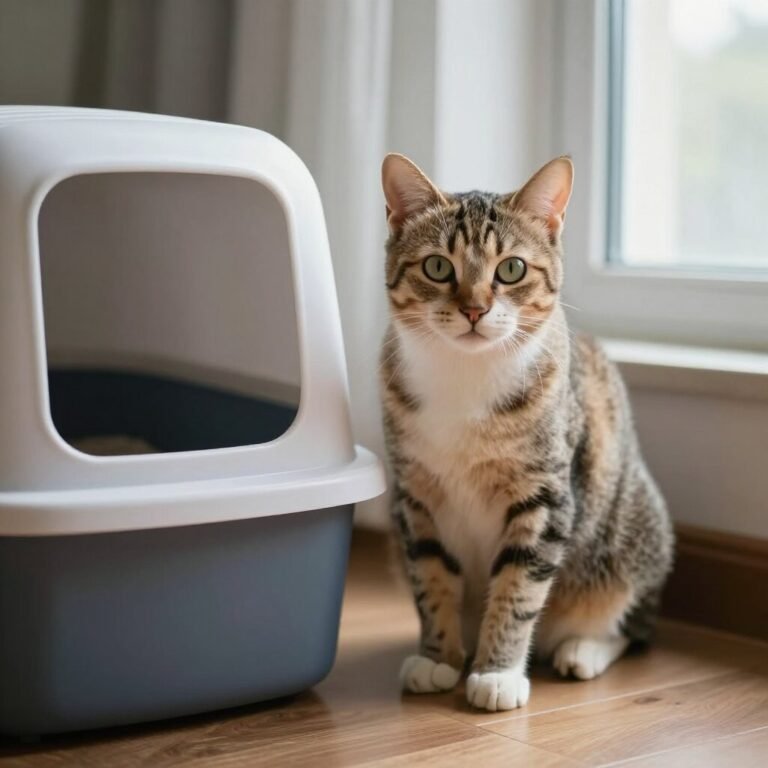
What to watch for:
- Smaller clumps in the litter box than usual
- Darker, more yellow or amber-colored urine (though you might not see this with clumping litter)
- Less frequent urination overall
- Stronger urine odor
For cats with feline leukemia virus, monitoring litter box output is especially important because changes can indicate kidney problems or other complications beyond just dehydration.
Keep in mind that some cats are sneaky about their bathroom habits, so you might need to pay closer attention than you normally would. I actually started scooping twice daily instead of once, just so I could better track what was happening.
Lethargy and Low Energy Levels
Dehydrated cats often seem more tired than usual. Now, cats sleep a lot naturally—like 12-16 hours a day—so we’re not talking about normal cat napping here.
Signs of dehydration-related lethargy:
- Your cat doesn’t get up to greet you when you come home
- They’re sleeping in unusual places or positions
- Less interest in play or activities they normally enjoy
- Slower movement or seeming weak when they do move
With FeLV cats, lethargy can be caused by various issues, so dehydration might not be the only culprit. But if you’re seeing lethargy along with other signs on this list, low water intake could definitely be part of the problem.
Loss of Appetite
Here’s where things get a bit circular: dehydrated cats often don’t want to eat, but cats who aren’t eating can become dehydrated faster. It’s frustrating, I know.
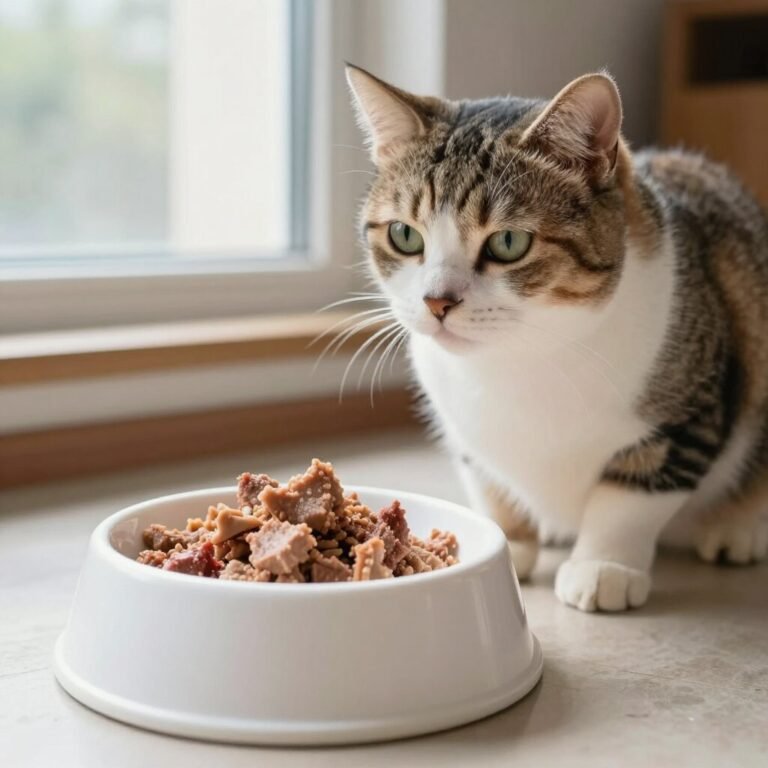
Why this happens: When cats are dehydrated, they often feel nauseous or generally unwell, which kills their appetite. For cats on dry food especially, eating requires adequate moisture for digestion.
What to notice: Your cat leaving food in their bowl, showing interest in food but not eating, or completely ignoring meals they’d normally devour.
If your FeLV cat stops eating for more than 24 hours, that’s a vet call regardless of whether you think it’s dehydration or something else. Cats can develop serious liver problems (hepatic lipidosis) if they go too long without food.
Sunken Eyes
This is one of those signs that indicates more serious dehydration. Healthy cat eyes should look bright and full. Dehydrated cats’ eyes can appear sunken or dull.
To be honest, this isn’t always easy to spot unless you know what you’re looking for or the dehydration is fairly advanced. It’s not usually the first sign you’ll notice, but if you’re seeing it along with other symptoms, your cat needs veterinary attention soon.
Panting or Rapid Breathing
Cats don’t pant like dogs do. If your cat is panting and they haven’t just finished playing or aren’t stressed from a car ride, something’s wrong.
Dehydration connection: Severe dehydration can cause rapid or labored breathing. However, panting can also indicate pain, overheating, heart problems, or respiratory issues.
Bottom line: If your cat is panting, consider it an emergency and get them to the vet, especially if they’re showing other signs of dehydration. Don’t wait to see if it resolves on its own.
Increased Heart Rate
This one’s harder to check at home, but if you’re comfortable doing it, you can feel for your cat’s heartbeat. Place your hand on their chest, just behind their front leg.
Normal resting heart rate for cats is 140-220 beats per minute. Dehydration can cause an elevated heart rate as the body tries to compensate for reduced blood volume.
Honestly, I don’t expect most cat owners to regularly check their cat’s heart rate. But if you’re at the vet and they mention an elevated heart rate along with signs of dehydration, now you know why those things are connected.
Constipation
Dehydrated cats often have harder, drier stools or may strain to defecate. The digestive system needs adequate water to function properly, and when there isn’t enough, things get backed up.
What to look for: Small, hard stools, straining in the litter box, or going less frequently than normal (most cats defecate once or twice daily).
Adding water to food can help with both hydration and constipation, which is one of those win-win situations I’m always looking for.
The “Can’t See Them Drinking” Problem
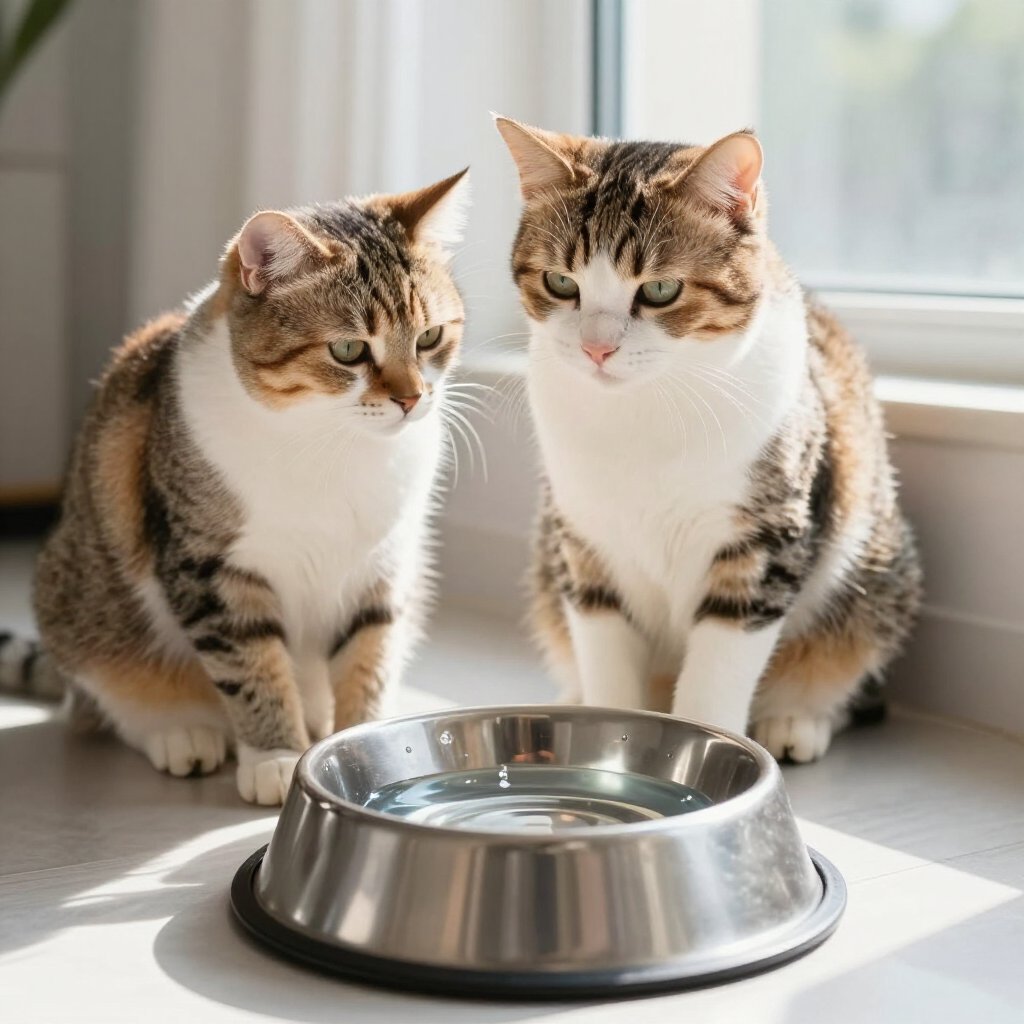
Here’s something I want to address because it worries a lot of cat owners: just because you don’t see your cat drinking doesn’t necessarily mean they’re not drinking enough.
Cats often drink when we’re not around or when we’re asleep. They take small sips throughout the day rather than big drinks like dogs do. And if your cat eats wet food, they might not need to drink as much from their bowl.
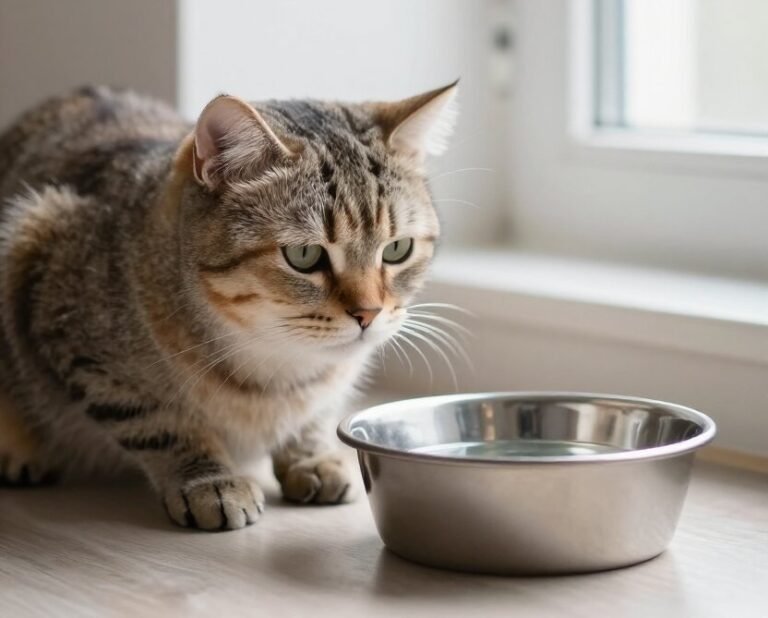
What matters more: The signs listed above. If your cat seems healthy, has good skin elasticity, normal urine output, and no other symptoms, they’re probably getting enough water even if you never catch them at the bowl.
That said, if you genuinely never see your cat near the water bowl AND they’re showing other signs of dehydration, then yes, you’ve got a problem to address.
Vomiting and Diarrhea: The Dehydration Fast Track
While these are symptoms that can cause dehydration rather than signs of existing dehydration, they’re worth mentioning. Cats who are vomiting or have diarrhea lose fluids rapidly and can become dehydrated within hours.
For FeLV cats especially, any persistent vomiting or diarrhea needs veterinary attention quickly. These cats are already immunocompromised, and rapid fluid loss can spiral into serious complications fast.
When to Call the Vet
Let me be really clear about this: if you’re seeing multiple signs of dehydration, or if your cat is showing signs of severe dehydration (sunken eyes, panting, extreme lethargy, gum problems), get them to a vet.
Don’t wait to try home remedies first. Dehydration in cats can progress quickly, especially in cats with underlying conditions like feline leukemia virus. Veterinary treatment for dehydration often involves subcutaneous or intravenous fluids, which work much faster than trying to get your cat to drink more at home.
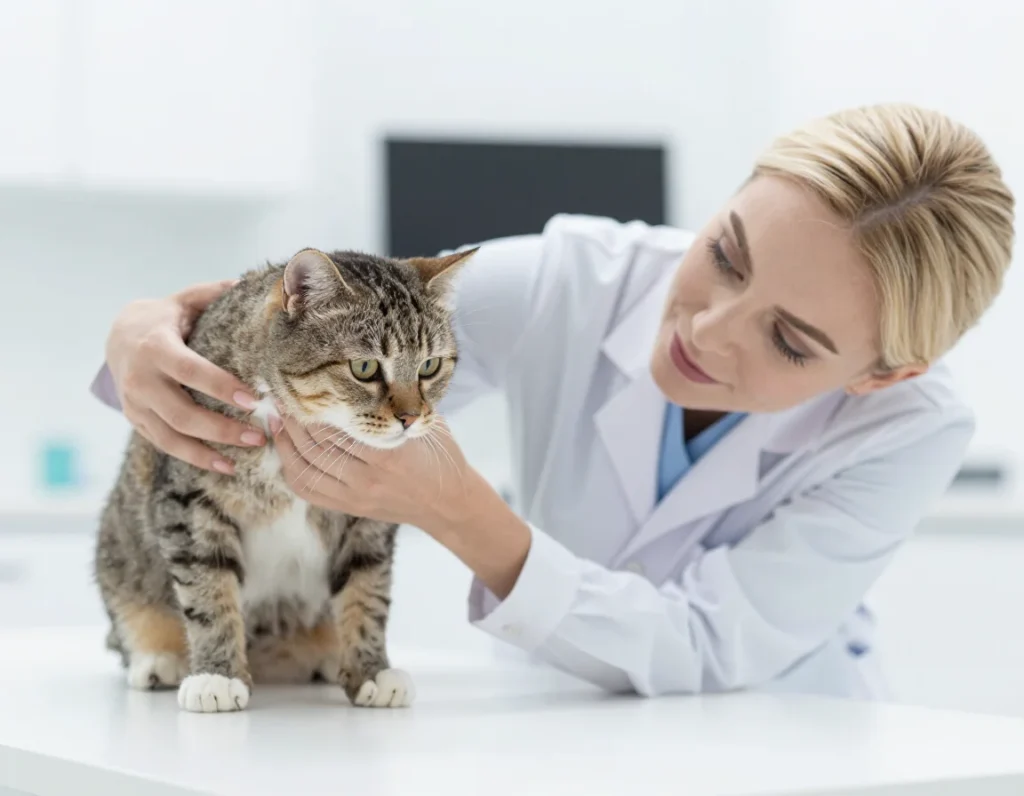
Call your vet immediately if:
- Your cat hasn’t had water in 24+ hours
- They’re showing signs of severe dehydration
- They’ve stopped eating for more than 24 hours
- They’re vomiting or have diarrhea
- They seem disoriented or unable to stand properly
Schedule a non-emergency appointment if:
- You notice mild signs of dehydration that aren’t improving with increased water access
- Your cat’s litter box output has gradually decreased
- You’re generally concerned but not seeing emergency signs
Prevention Is Easier Than Treatment
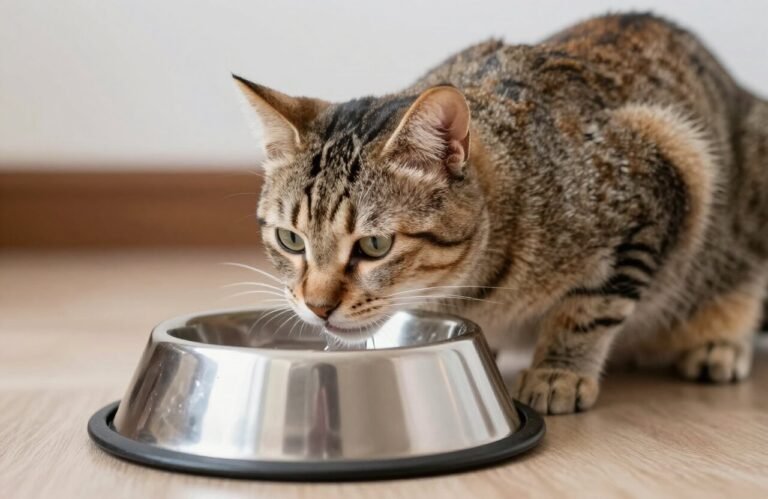
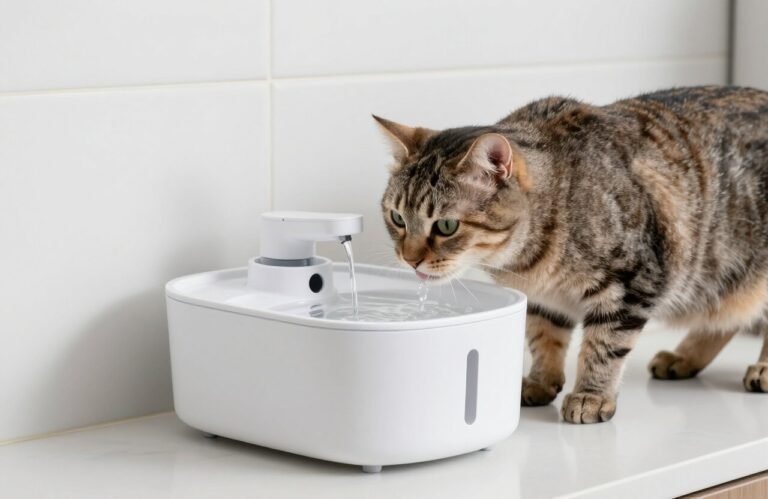
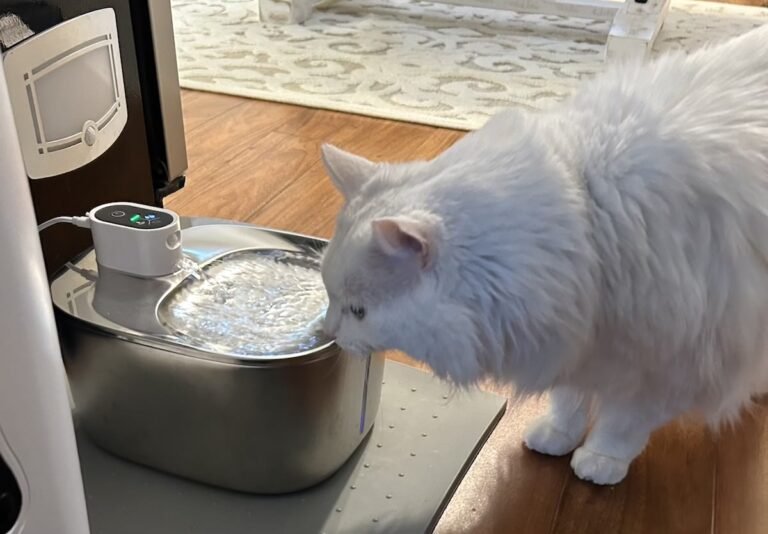
The best approach to dehydration in cats is preventing it in the first place. Make sure fresh water is always available in multiple locations. Consider a cat water fountain if your cat seems uninterested in bowl water. Feed wet food when possible. Monitor litter box habits regularly.
For FeLV-positive cats, regular vet checkups should include hydration assessment. Your vet can catch early signs before they become serious problems, and they can show you how to check hydration status at home if you’re not confident doing it yourself.
The Reality of Managing Hydration in Sick Cats
I’m not going to sugarcoat this: getting cats with chronic illnesses like FeLV to maintain proper hydration can be challenging. Some days are better than others. Some cats need subcutaneous fluid therapy regularly, and that’s okay—it’s not a failure on your part.
The goal isn’t perfection. The goal is catching problems early, addressing them appropriately, and giving your cat the best quality of life possible. Knowing the signs of dehydration in cats means you can act before a manageable issue becomes a crisis.