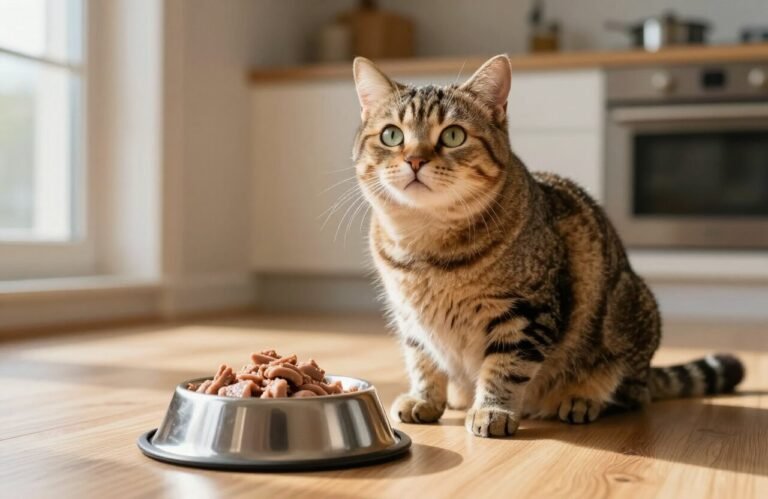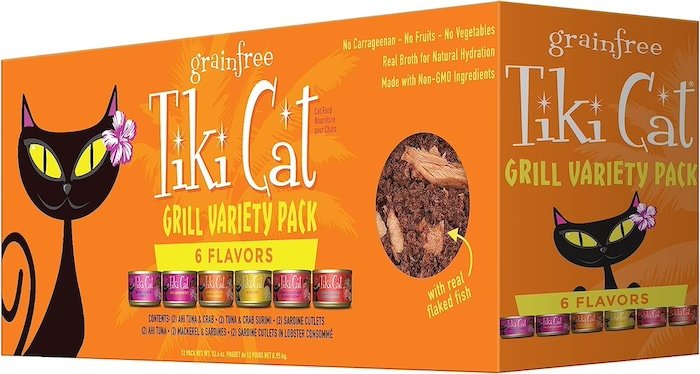
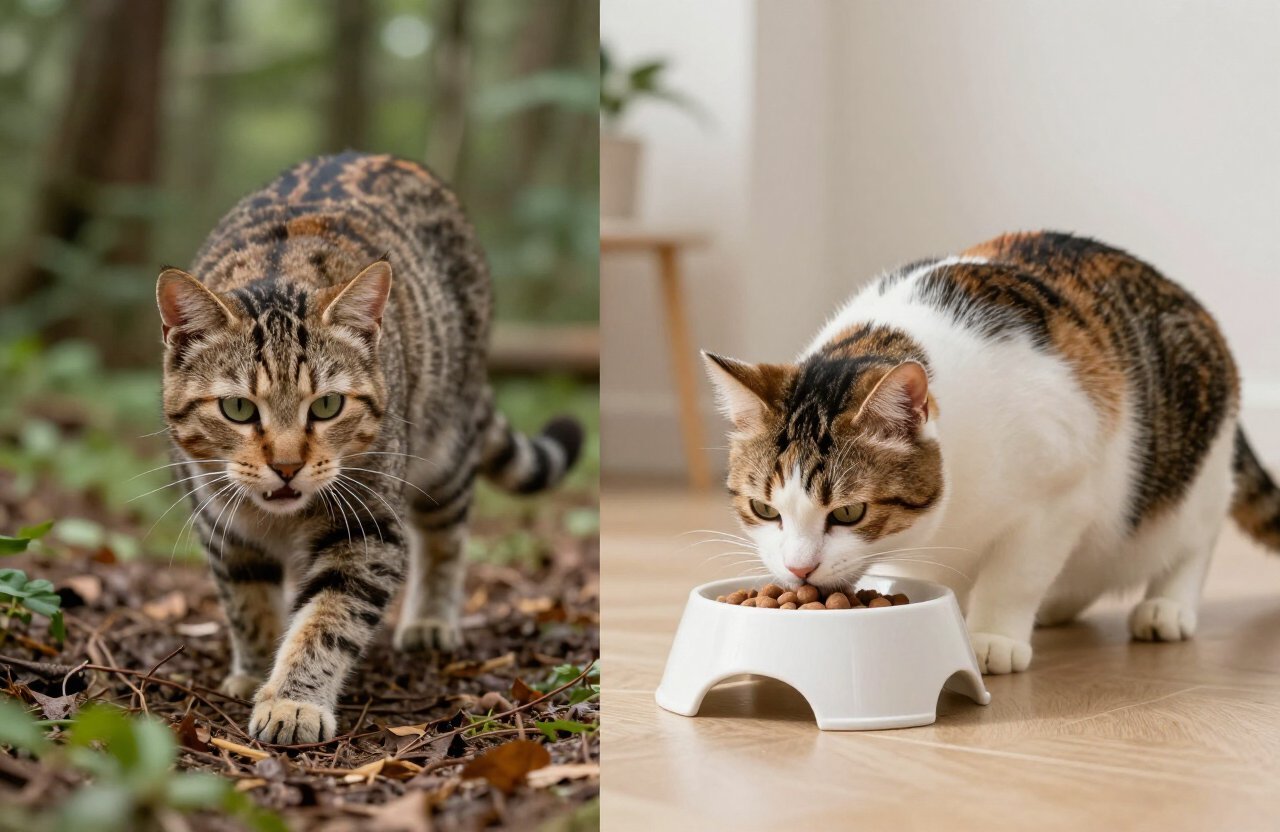
Walk into any pet store, and you’ll find hundreds of cat food options—many featuring vegetables, grains, and fruits prominently on their packaging. But here’s the truth: your cat’s ancestors didn’t hunt corn or graze on peas. Studies show that up to 60% of domestic cats are overweight or obese, and poor nutrition plays a significant role in this epidemic.
A species appropriate diet for cats is one that closely mimics what cats actually evolved to eat in the wild: other animals. Understanding this fundamental difference can transform your cat’s health and longevity.
Understanding Cats as Obligate Carnivores
Cats are obligate carnivores, which means they have evolved to primarily—and almost exclusively—eat meat. This isn’t just a preference; it’s a biological necessity. Unlike dogs, which are facultative carnivores (able to survive on plant and animal foods), or humans, who are omnivores, cats lack the physiological adaptations needed to thrive on plant-based diets.
What Makes Cats Different
Cats have several unique digestive and metabolic features that set them apart:
- Shorter digestive tract: Their intestines are shorter than those of omnivores, designed for quickly processing meat rather than fermenting plant materials. While a dog’s digestive tract is about 6 times their body length, a cat’s is only about 4 times their body length—optimized for animal protein digestion.
- Limited enzyme production: Cats lack salivary amylase (the enzyme for breaking down carbohydrates) and have reduced intestinal enzymes for plant digestion. They simply weren’t designed to process grains, vegetables, or starches efficiently.
- Inability to synthesize certain nutrients: Unlike many animals, cats cannot convert beta-carotene to vitamin A or linoleic acid to arachidonic acid—they must obtain these nutrients directly from animal sources. This is why feeding a cat a vegetarian diet is not just ineffective, but dangerous.
- Unique protein metabolism: Cats cannot adjust their protein metabolism downward, meaning they need a constant supply of animal protein even when fasting. Their bodies are essentially always in “hunting mode” metabolically.
- Specialized amino acid requirements: Cats require higher levels of certain amino acids like taurine and arginine, which are found almost exclusively in animal tissues.
In the wild, a cat’s diet would consist almost entirely of small prey animals like mice, birds, and rabbits. These provide everything a cat needs in the proper ratios that millions of years of evolution have prepared them to utilize.
Key Components of a Cat Species Appropriate Diet
Understanding what constitutes a truly species-appropriate diet requires looking at each essential component and why it matters for your cat’s health.
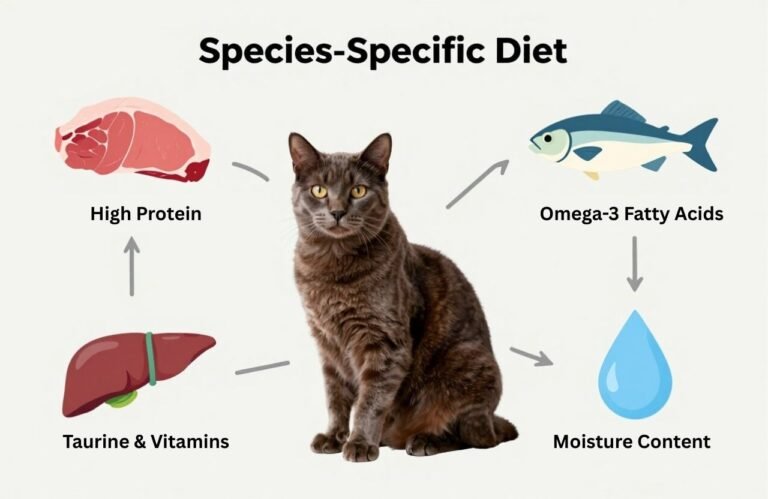
High-Quality Animal Proteins (30-50% of diet)
The foundation of a cat’s diet must be high-quality animal proteins from identifiable sources. These proteins contain all the essential amino acids that are crucial for a cat’s overall health, including muscle maintenance, immune function, organ health, and metabolic processes.
Why protein percentage matters: While many commercial cat foods claim to be “high protein,” you need to look at the actual percentage. On a dry matter basis (removing water content), cats thrive on diets containing 40-50% protein or more. Many commercial dry foods contain only 30-35% protein, with the rest made up of carbohydrates and fillers.
Quality over quantity: Not all proteins are equal. Animal proteins have a complete amino acid profile that perfectly matches feline needs, while plant proteins (like pea protein or soy) lack essential amino acids and are poorly digested by cats.
Best protein sources include:
- Named meat sources: chicken, turkey, duck, rabbit, venison, beef
- Organ meats: liver, heart, kidney (these are nutrient powerhouses)
- Fish: salmon, mackerel, sardines (in moderation due to mercury concerns)
- Whole eggs (highly digestible and nutritionally complete)
Taurine: The Critical Amino Acid
Taurine deserves special attention because it’s absolutely essential for cats and represents a key difference between feline and canine nutrition. Unlike dogs and many other animals, cats cannot synthesize sufficient taurine from other amino acids—they must obtain it directly from their diet.
Why taurine is non-negotiable:
- Heart health: Taurine deficiency leads to dilated cardiomyopathy (DCM), a potentially fatal heart condition where the heart muscle weakens and can no longer pump blood effectively. This was a major problem in the 1980s before taurine’s importance was fully understood.
- Vision: Inadequate taurine causes progressive retinal degeneration, leading to irreversible blindness. Cats’ retinas have an exceptionally high concentration of taurine, and without adequate dietary intake, these cells deteriorate.
- Reproduction: Essential for fetal development, and taurine-deficient mothers often experience stillbirths or kittens with developmental abnormalities.
- Immune function: Taurine supports the immune system and helps protect against oxidative stress.
Where taurine is found: Taurine exists in highest concentrations in muscle meat, organ meats (especially hearts), and shellfish. It’s found almost exclusively in animal tissues—plant foods contain virtually no taurine. Dark meat poultry has higher taurine levels than white meat.
Important note: Taurine is water-soluble and heat-sensitive, so it can be lost during cooking or processing. This is why commercial cat foods must supplement with additional taurine, and why feeding variety is important.
Animal Fats (15-30% of diet)
Cats require a higher proportion of dietary fat compared to many other animals. Animal fats serve multiple crucial functions beyond just providing energy.
Essential roles of fat:
- Concentrated energy source: Fats provide 9 calories per gram compared to 4 calories for protein or carbohydrates, giving cats the dense energy they need for their active metabolism.
- Nutrient absorption: Fat is essential for absorbing fat-soluble vitamins A, D, E, and K. Without adequate fat, cats cannot properly utilize these critical nutrients even if they’re present in the diet.
- Essential fatty acids: Cats require arachidonic acid, an omega-6 fatty acid found only in animal fats. Unlike other animals, cats cannot convert plant-based linoleic acid into arachidonic acid.
- Palatability: Fats make food appealing to cats’ natural preferences and enhance the aroma that stimulates their appetite.
- Skin and coat health: Adequate fat intake is essential for maintaining healthy skin and a glossy coat. Many skin problems in cats stem from fat-deficient diets.
Quality fat sources:
- Chicken fat (rich in linoleic acid)
- Fish oil (provides omega-3 fatty acids EPA and DHA)
- Duck fat
- Beef fat (in moderation)
- Natural fats from whole prey animals
The omega balance: While exact ratios are debated, a general omega-6 to omega-3 ratio of 5:1 to 10:1 is considered healthy for cats. Modern diets tend to be too high in omega-6, making omega-3 supplementation (from fish oil) often beneficial.
Minimal Carbohydrates (Under 10% is ideal)
This is where most commercial cat foods fail spectacularly. While cats can derive some energy from carbohydrates through a process called gluconeogenesis, their diet should not be heavily reliant on plant-based sources.
The carbohydrate problem in modern cat foods
Many dry cat foods contain 30-50% carbohydrates from grains (corn, wheat, rice), potatoes, peas, lentils, and other plant sources. This is primarily because these ingredients are cheap, shelf-stable, and necessary for creating kibble structure—not because they benefit cats.
Why excessive carbohydrates are harmful
- Obesity epidemic: Carbohydrates cause blood sugar spikes and increased insulin production. Over time, this leads to fat storage and weight gain. The obesity rate in cats has skyrocketed alongside the popularity of high-carb dry foods.
- Diabetes connection: The link between high-carbohydrate diets and feline diabetes is well-established in veterinary literature. When cats consume excess carbs, their pancreas must produce insulin to manage blood sugar. Over time, this can lead to insulin resistance and Type 2 diabetes—a condition that’s increasingly common in domestic cats but virtually unknown in wild felines.
- Digestive issues: Cats lack the digestive enzymes to efficiently break down plant materials, leading to incomplete digestion, larger stool volume, and potential inflammatory bowel issues.
- Dental disease: Contrary to popular belief, dry food doesn’t clean teeth (most cats swallow kibble whole), and the starches in high-carb foods can actually contribute to dental plaque and tartar.
What about fiber? Cats do benefit from small amounts of indigestible fiber to aid intestinal motility and hairball passage, but this should come from sources like psyllium or small amounts of vegetables, not from excessive grain content.
Acceptable carbohydrate sources (in minimal amounts):
- Low-glycemic vegetables like pumpkin (useful for digestive health)
- Small amounts of greens
- These should never constitute more than 5-10% of the diet
High Moisture Content (70-80%)
One of the most overlooked aspects of species-appropriate nutrition is moisture content. Cats evolved in arid environments and have a naturally low thirst drive because their wild prey would provide approximately 70-80% of their water intake through the prey’s body moisture.
Why moisture is critical:
- Kidney and urinary tract health: Adequate hydration supports kidney function and helps prevent the formation of urinary crystals and stones. Many cases of feline lower urinary tract disease (FLUTD) are linked to chronic dehydration.
- Prevents chronic dehydration: Even if cats drink water, many don’t compensate sufficiently for the moisture deficit in dry foods. Cats eating exclusively dry food are often in a constant state of mild dehydration, which stresses the kidneys over time.
- Aids digestion: Moisture helps with nutrient absorption and prevents constipation, which is common in cats eating primarily dry food.
- Weight management: High-moisture foods are naturally lower in caloric density, helping cats feel full while consuming fewer calories.
The dry food dilemma: Most dry cat foods contain only 6-10% moisture, meaning cats eating exclusively kibble miss out on 60-70% of the moisture their bodies evolved to receive from food. This is one of the most significant departures from a species-appropriate diet.
Solutions for increasing moisture:
- Wet/canned food (typically 75-80% moisture)
- Raw or freeze-dried raw food (when rehydrated)
- Adding water or low-sodium bone broth to meals
- Cat water fountains to encourage drinking (though this doesn’t fully compensate)
Vitamins and Minerals from Animal Sources
Cats need specific vitamins and minerals in forms they can actually utilize, which are best obtained from animal sources rather than synthetic supplements or plant-based ingredients.
Critical nutrients that must come from animals:
- Vitamin A (retinol): Cats cannot convert beta-carotene from plant sources into usable vitamin A. They must obtain preformed vitamin A from animal liver, fish, and eggs. Deficiency leads to vision problems, poor coat quality, and immune dysfunction.
- Vitamin D: While some animals can synthesize vitamin D from sunlight, cats are inefficient at this process and must obtain it from animal sources like fish and liver.
- Arachidonic acid: This omega-6 fatty acid is found only in animal fats. Cats cannot synthesize it from plant-based linoleic acid like other animals can.
- B vitamins: Especially B12 (cobalamin), which is found almost exclusively in animal tissues. B12 is essential for nervous system function, red blood cell production, and DNA synthesis.
- Niacin: Cats cannot convert tryptophan to niacin efficiently, so they need dietary niacin from meat sources.
- Calcium and phosphorus: Proper ratios (approximately 1.2:1 to 1.4:1 calcium to phosphorus) are crucial for bone health, muscle function, and metabolic processes. These minerals are naturally balanced in whole prey animals.
- Iron: Heme iron from meat is significantly more bioavailable than plant-based non-heme iron.
Why synthetic supplementation isn’t ideal
While commercial cat foods add synthetic vitamins and minerals to compensate for processing losses or plant-based ingredients, whole food sources are more bioavailable and contain co-factors that enhance absorption.
Avoidance of Harmful Additives
A truly species-specific diet should be as close to whole foods as possible, avoiding unnecessary chemicals and fillers.
Ingredients to avoid:
- Artificial colors (Red 40, Yellow 5, Blue 2): Added for human appeal, not nutritional value, and potentially linked to hyperactivity
- Artificial flavors and palatants: Often used to mask poor-quality ingredients
- Chemical preservatives: BHA, BHT, and ethoxyquin (linked to health concerns in animal studies)
- Excessive plant-based fillers: Corn gluten meal, wheat middlings, rice hulls
- Carrageenan: A thickening agent linked to inflammation and digestive issues in some studies
- Rendered fats from unknown sources: “Animal fat” without species identification
- Excessive ash content: Can contribute to urinary issues
- Unnamed “animal digest” or generic “meat by-products”
What to look for instead:
- Natural preservatives like mixed tocopherols (vitamin E) or rosemary extract
- Minimal, whole-food ingredients you can identify
- Named, specific ingredients throughout the label
- AAFCO statement confirming the food has been formulated or tested to be nutritionally complete
Wild Diet vs. Commercial Food: A Comparison
Understanding what wild cats actually eat helps put commercial foods in perspective. Here’s how a typical mouse (the natural diet of small wild cats) compares to common commercial options.
| Component | Whole Mouse | Typical Dry Food | High-Quality Wet Food |
| Protein | 55-60% | 30-35% | 45-52% |
| Fat | 30-35% | 15-20% | 20-30% |
| Carbohydrates | 2-3% | 35-50% | 3-8% |
| Moisture | 70-75% | 6-10% | 75-82% |
| Fiber | 2-3% | 3-5% | 1-3% |
What this tells us:
The difference is striking. Wild cats consume a diet that’s extremely high in protein and fat, very low in carbohydrates, and rich in moisture. This is almost the exact opposite of most commercial dry foods, which are high in carbohydrates, lower in protein and fat, and dramatically deficient in moisture.
When a cat catches and eats a mouse, they consume:
- Muscle meat (protein and fat)
- Organs (concentrated vitamins and minerals)
- Bones (calcium and phosphorus in perfect ratios)
- Small amount of stomach contents (minimal pre-digested plant matter)
- Blood (moisture, iron, and other nutrients)
- Skin and fur (small amounts of indigestible fiber for digestive health)
This whole-prey model provides complete nutrition in the exact ratios cats evolved to utilize.
The bottom line: The closer a commercial food comes to replicating this natural profile, the more species-appropriate it is.
Age-Specific Nutritional Considerations
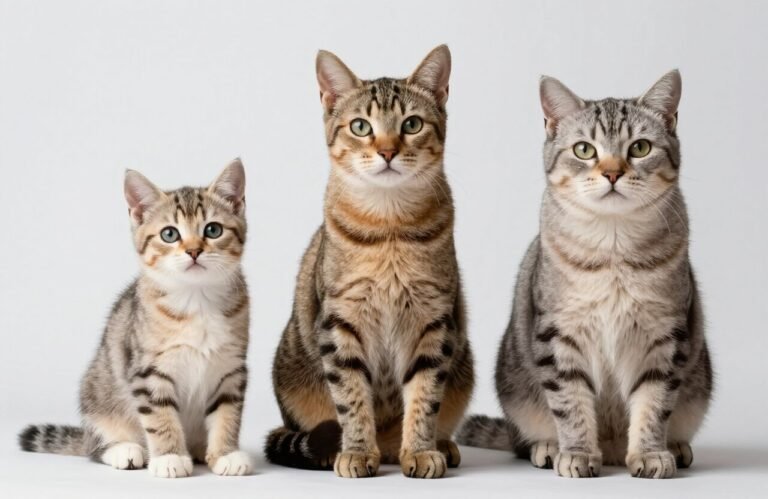
While the core principles of species-appropriate feeding apply to all cats, there are some age-related nuances to consider.
Kittens (0-12 months)
Kittens have dramatically higher nutritional needs than adult cats because they’re growing rapidly and developing bones, muscles, organs, and nervous systems.
Special requirements:
- Higher protein: Minimum 35-50% (dry matter basis), with some sources recommending even higher
- More calories: Kittens need 2-3 times more calories per pound than adult cats
- Higher fat: For brain and nervous system development (20-30%)
- Critical calcium/phosphorus ratios: Improper ratios during growth can lead to skeletal deformities
- More frequent feeding: 3-4 times daily for young kittens, gradually reducing to 2-3 times daily
Species-appropriate feeding for kittens:
- Choose foods labeled “for growth” or “for all life stages”
- High-quality kitten formulas or all life stages wet foods
- Raw feeding can be excellent if properly balanced (consult a veterinary nutritionist)
- Ensure adequate taurine (at least 0.10% dry matter, higher is better)
⚠️ What to avoid: Never feed adult-maintenance-only foods to growing kittens, as these may lack sufficient nutrients for proper development.
Adult Cats (1-7 years)
Adult cats in their prime years generally thrive on standard species-appropriate diets without special modifications.
Maintenance priorities:
Activity level considerations: More active cats may need higher caloric intake, while sedentary indoor cats need careful portion control to prevent weight gain.
- Maintain lean body condition (you should be able to feel ribs easily but not see them)
- Prevent obesity through proper portions and food quality
- Standard species-appropriate diet works well
- Monitor for food sensitivities or allergies (often revealed by skin issues or digestive problems)
Senior Cats (7+ years)
Senior cats require careful nutritional management, but contrary to popular belief, they don’t automatically need less protein.
Important considerations:
- Protein needs often increase: Many seniors actually need MORE high-quality protein to prevent muscle wasting (sarcopenia). Unless kidney disease is present and confirmed by bloodwork, protein should not be restricted.
- Digestibility becomes crucial: Choose highly digestible protein sources like chicken, turkey, and fish. Senior cats may have reduced digestive efficiency.
- Phosphorus and kidney health: If kidney disease is present (confirmed by bloodwork showing elevated creatinine and BUN), moderate phosphorus restriction may be beneficial. However, prophylactic phosphorus restriction in healthy seniors is controversial.
- Increased moisture: Even more important for seniors, as kidney function naturally declines with age. High-moisture foods support kidney health.
- Joint support: Omega-3 fatty acids (EPA/DHA from fish oil) can help with arthritis and inflammation. Some cats benefit from added glucosamine and chondroitin.
- Dental issues: Many seniors develop dental disease, making wet food or softened dry food necessary.
- Cognitive function: DHA (from fish oil) and antioxidants may support brain health in aging cats.
What not to do: Don’t automatically switch to “senior” formulas that restrict protein without veterinary guidance. Many senior formulas are lower in protein and higher in carbohydrates—the opposite of what most senior cats need.
Cats with Health Conditions
Certain medical conditions may require dietary modifications, but species-appropriate principles still apply whenever possible.
Common conditions and dietary considerations:
- Chronic kidney disease (CKD): May benefit from moderate phosphorus restriction and increased moisture. High-quality protein is still important, though the amount may need adjustment based on bloodwork. Work closely with your veterinarian.
- Diabetes mellitus: Extremely benefits from low-carbohydrate, high-protein diets. Many diabetic cats go into remission when switched from high-carb kibble to species-appropriate wet food or raw diets.
- Inflammatory bowel disease (IBD): Often responds well to limited-ingredient diets with novel proteins. Some cats improve dramatically on species-appropriate raw or gently cooked diets.
- Food allergies: Usually require novel protein sources or hydrolyzed protein diets. Species-appropriate foods with single protein sources work well.
- Urinary crystals/stones: Type matters (struvite vs. calcium oxalate). High moisture is critical for all types. Some benefit from pH management.
- Hyperthyroidism: May need limited iodine (found in fish), though this is controversial. High-quality, moderate-protein diets generally work well.
- Pancreatitis: May need lower-fat diets during flare-ups, though this varies by individual cat.
Important: Always work with your veterinarian when managing health conditions. Many prescription diets, while therapeutic, are not ideal from a species-appropriate standpoint, so discuss alternatives when possible.
Why Cat Species Appropriate Nutrition Matters
Understanding what cats evolved to eat isn’t about being trendy or following fads—it’s about respecting the biological reality of your cat’s physiology.
The Health Consequences of Inappropriate Diets
Modern cats face epidemic levels of preventable health problems directly linked to poor nutrition:
- Obesity: Over 60% of domestic cats are overweight or obese, largely due to high-carbohydrate diets and free-feeding practices. Wild cats are rarely overweight.
- Diabetes: Feline diabetes has increased dramatically with the popularity of high-carb dry foods. Type 2 diabetes is virtually unknown in wild cats.
- Chronic kidney disease: While some kidney decline is age-related, chronic dehydration from dry-food-only diets accelerates kidney damage.
- Urinary tract disease: FLUTD, crystals, and blockages are often related to dehydration and diet composition.
- Inflammatory bowel disease: Many cases improve or resolve when cats are switched from grain-heavy foods to species-appropriate diets.
- Dental disease: Despite marketing claims, kibble doesn’t clean teeth and the starches can contribute to dental problems.
- Chronic inflammation: High-carbohydrate diets promote inflammation throughout the body, contributing to arthritis, cancer, and other diseases.
The Benefits of Species Appropriate Feeding
Cats fed diets that match their evolutionary needs typically experience:
- Healthy weight maintenance without constant hunger
- Improved digestion with smaller, less odorous stools
- Better dental health (especially with raw feeding)
- Shinier coat and healthier skin
- More stable energy levels without the “carb crash” cycle
- Reduced allergy symptoms in many cases
- Better hydration status
- Lower risk of diet-related diseases
- Increased longevity and better quality of life in senior years
Common Misconceptions About Cat Nutrition
Let’s address some persistent myths that keep cats from receiving species-appropriate nutrition.
“Cats need variety in their diet”
The truth: While variety can prevent nutritional deficiencies and food boredom, cats don’t need the variety humans do. Wild cats often eat the same prey species consistently. What matters more is that their food is nutritionally complete and species-appropriate.
“Grain-free is just a marketing gimmick”
Partially true: Grain-free doesn’t automatically mean species-appropriate. However, grains are inappropriate for cats, so grain-free is better than grain-heavy—as long as grains aren’t just replaced with other high-carb ingredients like potatoes or peas.
“Dry food is necessary for dental health”
False: This myth persists despite lack of evidence. Most cats swallow kibble whole or with minimal chewing, providing no dental benefit. The starches in kibble can actually contribute to plaque formation. Actual chewing (from raw meaty bones) or regular dental care are far more effective.
“Senior cats need less protein”
Mostly false: Unless kidney disease is present, seniors often need MORE protein to prevent muscle wasting. This harmful myth leads to seniors being fed low-protein, high-carb foods that accelerate muscle loss.
“All commercial cat food is basically the same”
Absolutely false: The difference between a high-carb, plant-based kibble and a high-quality, meat-based wet food is enormous—as significant as the difference between a candy bar and a steak for humans.
Respecting Your Cat’s Biology
Your cat may sleep on your bed, respond to their name, and seem completely domesticated, but their digestive system and nutritional needs remain those of an obligate carnivore—virtually unchanged from their wild ancestors.
The prevalence of obesity, diabetes, kidney disease, and other chronic conditions in modern cats isn’t simply an inevitable consequence of domestication or aging. Much of it stems from feeding diets fundamentally misaligned with feline biology—diets heavy in grains, vegetables, and processed carbohydrates that cats never evolved to consume.
Understanding what a species-specific diet truly means is the first step toward giving your cat the nutrition they deserve. In our companion articles, we’ll show you exactly how to put this knowledge into practice.
Disclaimer: This article is for educational purposes only and does not constitute veterinary advice. Every cat is unique, with individual health considerations and nutritional requirements. Before making significant dietary changes, especially for cats with existing health conditions, kittens, or senior cats, consult with your veterinarian. They can provide personalized guidance based on your cat’s specific needs and help you develop a safe, effective feeding plan.